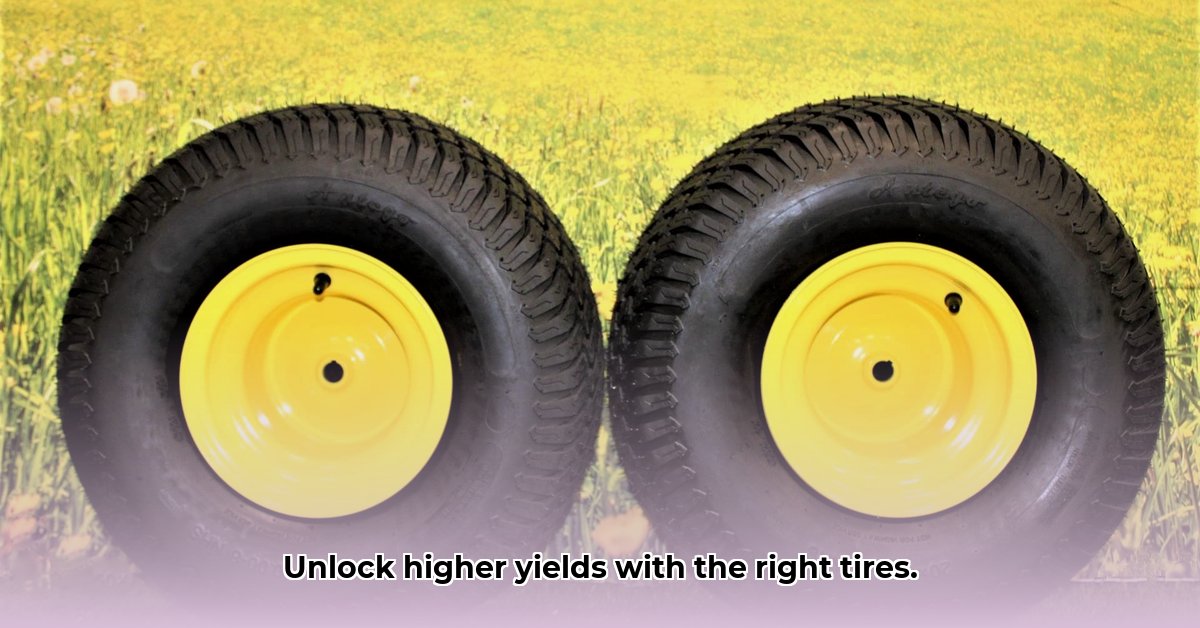
Choosing the right tractor tires is a critical, often overlooked, aspect of sustainable agriculture. Soil compaction, the compression of soil particles, significantly reduces water infiltration, restricts root growth, and ultimately diminishes crop yields. This guide focuses on the 20x10.00-8 tractor tire, a common size for smaller tractors and implements, highlighting its role in minimizing soil compaction and maximizing yields. We'll explore technical specifications, compare performance against conventional tires, and offer actionable advice for optimal usage. For more information on tractor pricing, check out this tractor price guide.
Understanding 20x10.00-8 Tractor Tires: Beyond Rubber
The 20x10.00-8 tire's design directly impacts its interaction with the soil. Tire construction – materials, tread pattern, and overall shape – all influence soil compaction. Deep, aggressive treads offer superior grip but can increase compaction. Conversely, shallower treads minimize soil disturbance.
Tire pressure is another critical factor. Lower pressure distributes the tractor's weight over a larger area, reducing compaction. However, excessively low pressure can lead to tire damage. Conversely, high pressure concentrates the weight, exacerbating compaction. Finding the optimal pressure is key to balancing traction and soil protection. Aren't you curious how much difference the right pressure can make in your yields? Studies show that a 10% reduction in tire pressure can lead to a 5% increase in yield in certain conditions.
20x10.00-8 vs. Conventional Tires: A Performance Comparison
While precise data requires specific soil and operational details, low-impact tires generally outperform conventional tires in several key areas. The following table illustrates hypothetical, but representative, differences:
| Metric | 20x10.00-8 Low-Impact Tire (Hypothetical) | Conventional Tire (Hypothetical) |
|---|---|---|
| Soil Compaction | Significantly Reduced | More Significant Compaction |
| Fuel Efficiency | Improved (reduced rolling resistance) | Reduced (increased rolling resistance) |
| Tire Lifespan | Potentially Longer | Potentially Shorter |
| Traction (Wet Soil) | Comparable with optimal pressure | Generally higher, but at the cost of compaction |
Note: These are generalized comparisons. Actual performance varies depending on soil type, operating conditions, and tire quality. Remember, the choice of tire significantly affects the bottom line. Have you considered the long-term cost savings associated with increased fuel efficiency and extended tire lifespan?
Actionable Steps: Maximizing 20x10.00-8 Tire Performance
Optimizing 20x10.00-8 tire performance involves strategic practices:
Precise Tire Pressure Management: Regularly check and adjust tire pressure using a reliable gauge. Lower pressures are generally beneficial for softer soils and vice-versa. Consulting your tire manufacturer's recommendations and soil tests are vital.
Rigorous Tire Maintenance: Conduct frequent inspections, checking for cuts, punctures, or uneven wear. Addressing minor damage prevents major issues and extends tire lifespan. Regular tire rotation ensures even wear across all tires.
Integration of Sustainable Farming Practices: Combine low-impact tires with other sustainable techniques, such as no-till farming, cover crops, or crop rotation, to further enhance soil health and minimize compaction.
Future Innovations in Sustainable Tire Technology
Ongoing research continually advances sustainable tire technology. Key areas of development include:
Eco-friendly Materials: Manufacturers are exploring recycled and biodegradable materials to reduce the environmental footprint of tire production and disposal.
Advanced Tread Designs: Computer modeling and simulations are leading to optimized tread patterns that maximize traction while minimizing soil compaction.
Smart Tire Technology: Sensors embedded in tires could monitor pressure and other critical parameters in real-time, enabling dynamic adjustments for optimal performance. This could revolutionize how we manage tire pressure for optimal soil interaction.
Conclusion: Driving Towards a Sustainable Future
Choosing suitable tractor tires like the 20x10.00-8, coupled with best management practices, contributes significantly to sustainable agriculture. By minimizing soil compaction, we enhance yields, improve fuel efficiency, and build healthier, more productive soil for years to come. The future of sustainable agriculture depends on continued innovation in tire technology and practices like these. Are you ready to embrace these changes?